
 By Cal Lutheran News
From advocating for vulnerable community members to offering enriching cultural opportunities, nonprofit organizations play a critical role in improving the quality of life for the residents they serve. Their commitment to serving the common good gives this sector a distinct place in U.S. life.
“If small businesses are the backbone of our nation’s vitality, then nonprofit businesses are the backbone of our nation’s First Amendment,” California Lutheran University President John Nunes told an audience of philanthropists, elected officials, nonprofit leaders and community partners invested in Ventura County’s social fabric. “We organize the civic infrastructure of our nation.”
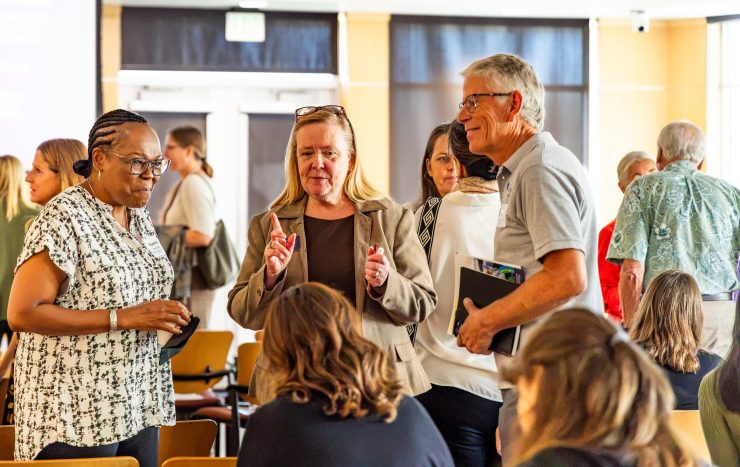
Cal Lutheran’s The Center for Nonprofit Leadership (CNL) recently examined Ventura County’s nonprofit ecosystem at the launch of the 2026 Ventura County Nonprofit Sector Report. The event marked the official release of the first system-level assessment of county nonprofits’ financial health and resilience. Organizers hoped the report would help nonprofit leaders come together to assess the sector more broadly.
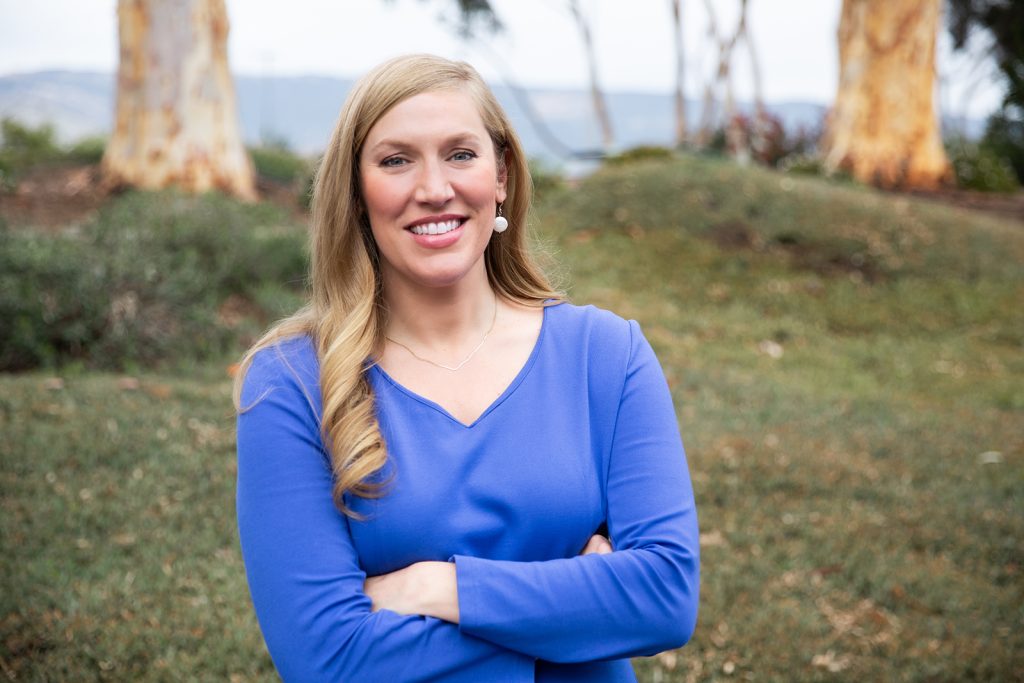
“We hope this report provides a common language for us to all speak about the nonprofit sector’s strengths and challenges,” CNL Executive Director Dena Jenson said.
The launch included an overview of the report’s findings by its author Steve Goodall, former president and CEO of J.D. Power and Associates. He highlighted the nonprofit sector’s growing impact on Ventura County, which generated $3.6 billion in total revenue in 2024, or roughly 5% of the county’s GDP.
The findings show that Ventura County has a strong foundation of nonprofits of varying sizes, working to meet growing demand for their services. However, they also show that these organizations may lack the necessary financial resources to meet expectations. For instance, the report found that roughly 46% of the county’s nonprofits experienced an operating deficit in 2024, the highest rate recorded during the 2019-2024 period studied.
Goodall highlighted that ongoing collaboration among nonprofits, government leaders and supporters remains critical to help organizations mobilize the resources to provide services.
“There is an opportunity for the community to enable the sector to deliver on its potential,” he shared.
The event continued with a panel discussion that reflected on the report’s findings and highlighted opportunities for stakeholders to support nonprofit financial resilience. Moderated by Elena Brokaw, executive director of the Museum of Ventura County, the panel featured Janet Garufis, chairman and CEO of Montecito Bank & Trust; Scott Heimlich, president of Amgen Foundation and Amgen’s executive director of philanthropy; Sevet Johnson, county executive officer for Ventura County; Martita Martinez-Bravo, Camarillo councilmember and executive director for Friends of Fieldworkers; Erik Nasarenko, district attorney for Ventura County; and Drew Powers, Thousand Oaks city manager.
Panelists highlighted ways Ventura County community members can support existing nonprofits to build their capacity. For Garufis, nonprofits should recognize the important role board members play in a nonprofit’s financial sustainability, and consider these factors when evaluating prospective board members.
“You have to grow the financial stability of each institution, and that starts with the leadership of the organization,” she noted. Meanwhile, Heimlich underscored the importance of marketing the sector’s impact to the general public, who might not always recognize or understand the services it provides.
The report’s launch advances the CNL’s mission to offer data-driven resources and training to nonprofit leaders in the Ventura County region. Organizers like Jenson hoped the event would inspire attendees to join a broader effort to support the county’s nonprofit ecosystem.
“We hope that you see this report as a campaign and call to action where each of us will play a role in carrying out an important strategy,” she said to attendees. “These organizations are not peripheral to the local economy — they are essential civic infrastructure and an important part of our county’s economic prosperity.”